Cyber Basics

Security policy and compliance overview

Security Policy: Are You Leaving Your Data Exposed?

A security policy is essentially a formal collection of rules and guidelines that outlines how an organization safeguards its data, systems, and digital assets. It specifies what needs protection, who’s in charge, and the methods for implementing security measures. In simpler terms, think of a security policy as a roadmap for cybersecurity. It ensures that […]

Security Policy: Are You Leaving Your Data Exposed? Read More »
Cybersecurity in a digital world

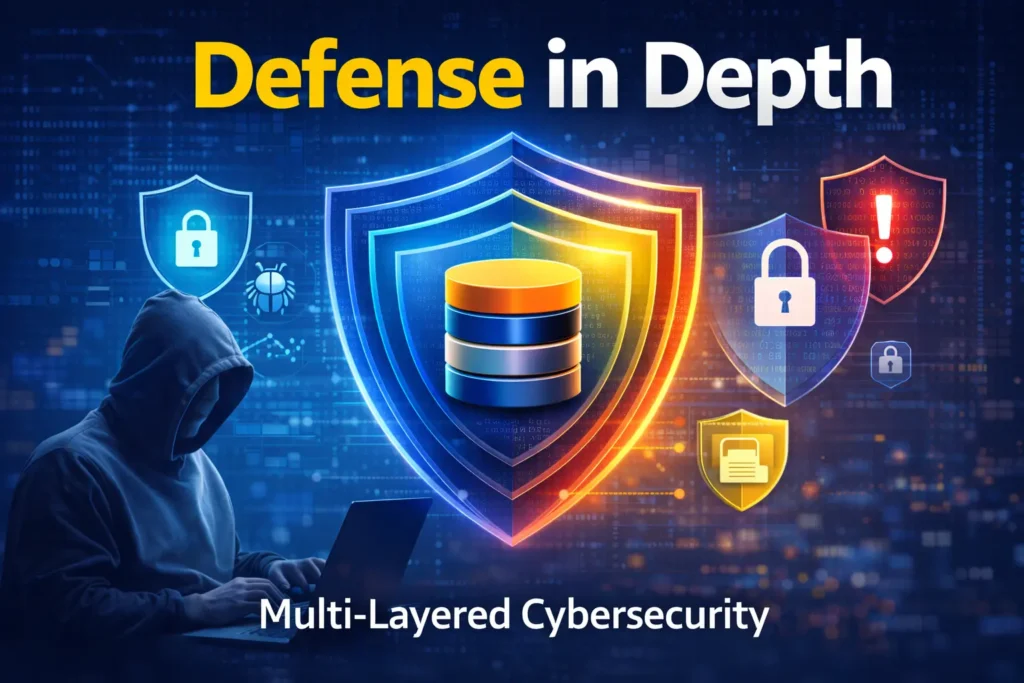
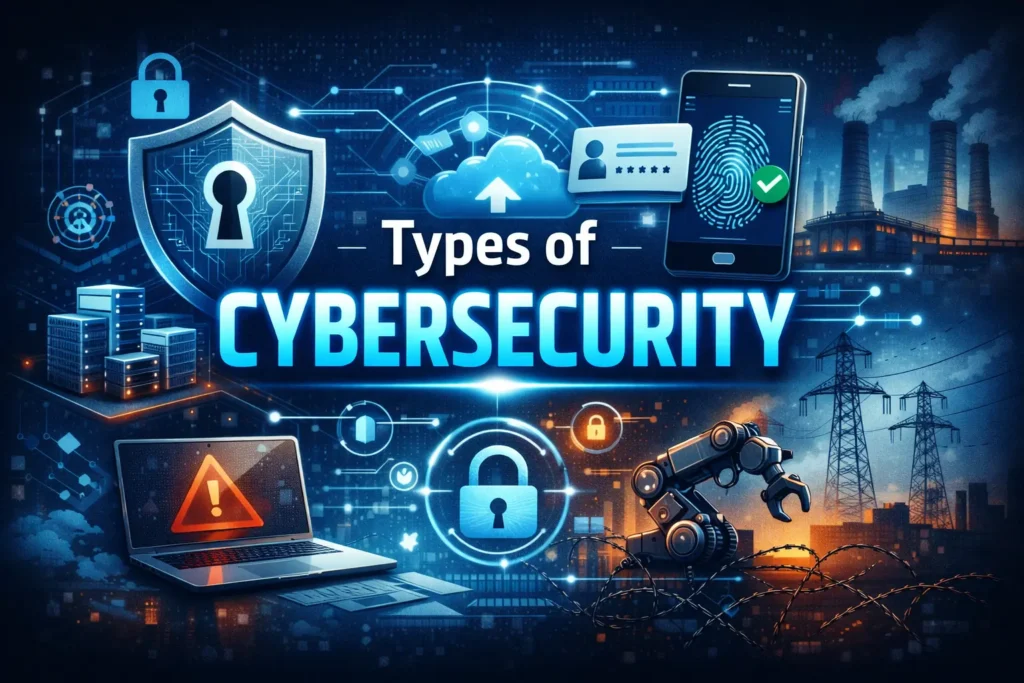
14 Types of Cybersecurity You Must surely Know

Cybersecurity is no longer just an IT issue – it’s a critical business function that shields organizations from financial losses, reputational harm, and operational disruptions. As cyberattacks grow more sophisticated, understanding the various types of cybersecurity is essential for building a robust defense strategy. This is a crucial concern that requires attention from the entire

14 Types of Cybersecurity You Must surely Know Read More »

compliance and security

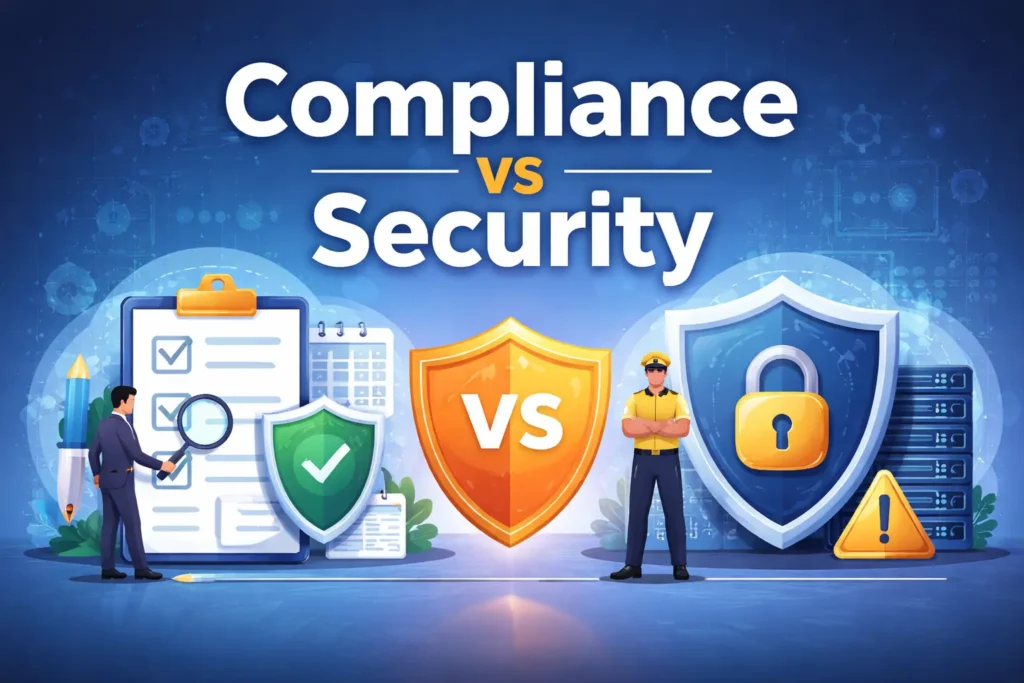
Compliance vs Security: The Truth You Must Know

In our fast-paced digital landscape, many organizations tend to mix up the terms compliance and security. But here’s the thing: they’re not the same. Grasping the distinction between compliance and security is essential for businesses that want to safeguard their data, steer clear of legal troubles, and foster trust with their customers. What is Compliance?

Compliance vs Security: The Truth You Must Know Read More »

attack surface and attack vector feature image

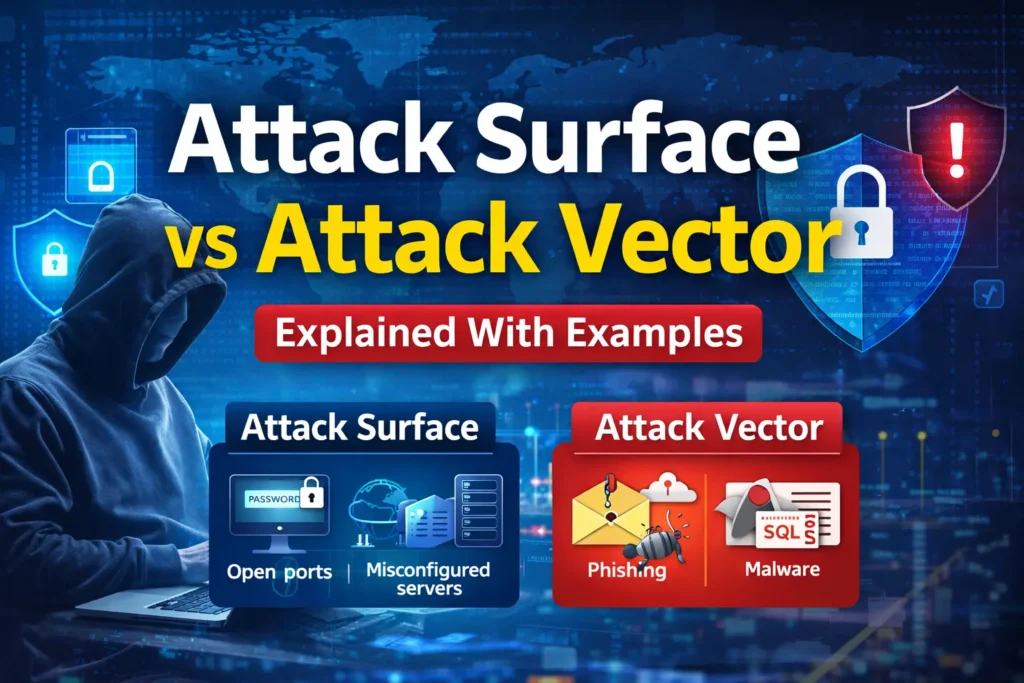
Attack Surface vs Attack Vector: Why It Really Matters

Cybersecurity threats are on the rise every year, making it crucial for anyone involved with technology to grasp some basic security concepts. Two terms that often trip up newcomers are attack surface and attack vector. While they’re connected, they highlight different elements of how cyberattacks occur. What is an Attack Surface? An attack surface is

Attack Surface vs Attack Vector: Why It Really Matters Read More »

threat vulnerbility and risk featured image

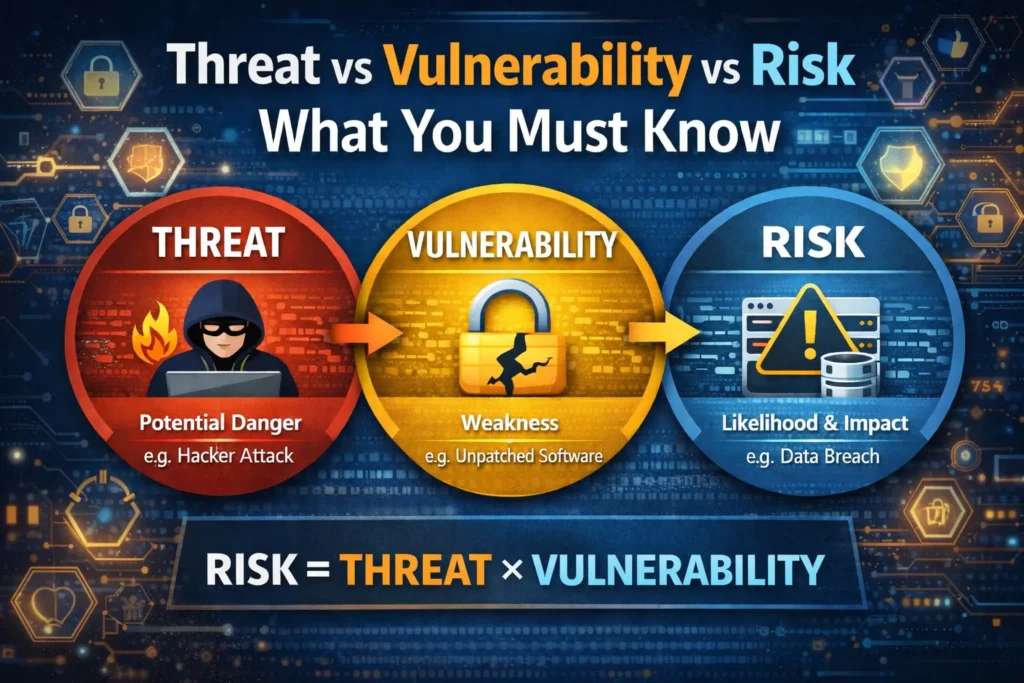
Threat vs Vulnerability vs Risk: What You Must Know

Cybersecurity is built around three fundamental concepts: Threat, Vulnerability, and Risk. Understanding these concepts is essential for protecting systems, networks, and sensitive data from cyberattacks. Organizations use these principles to identify security weaknesses, evaluate potential attacks, and reduce the chances of damage. In this article, we will explain what threat, vulnerability, and risk mean, how

Threat vs Vulnerability vs Risk: What You Must Know Read More »

ChatGPT Image Feb 7 2026 10 37 02 PM

What Are Security Controls? Types, Examples & Why They Matter

Security controls are the defenses or preventative measures that businesses put in place to keep their users, networks, data, and systems safe from online attacks. Consider them as the instruments, regulations, and systems that deter intruders, identify questionable activity, and assist in returning to regular operations following an incident. To put it simply, security controls

What Are Security Controls? Types, Examples & Why They Matter Read More »

security framework

Understanding Security Frameworks: The Backbone of cyber

Defination Guidelines used for Building plans to help mitigate risks and threats to data and privacy. Why is there a need for a Security Framework? •Protecting PII ( Personally Identifiable Information) •Securing Financial Information •Identifying Security Weaknesses •Managing organizational risks •Aligning Security with business goals A security framework is essential for organizations to systematically protect

Understanding Security Frameworks: The Backbone of cyber Read More »

cia triads featured image

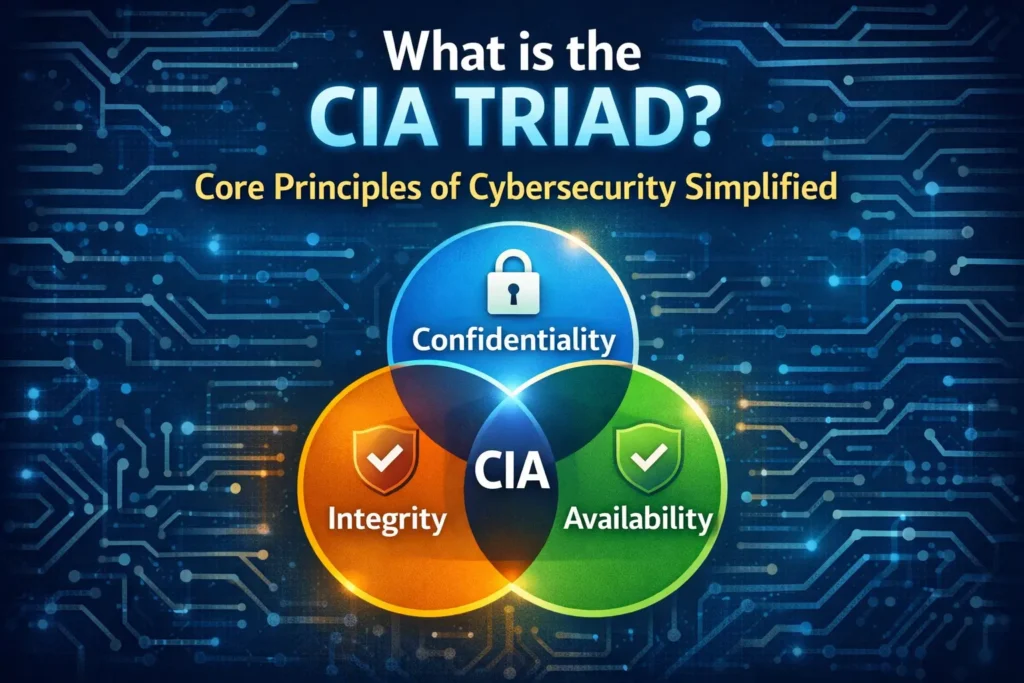
What is the CIA Triad? Core Principles of Cybersecurity Simplified

Cybersecurity Definition with the CIA The Practice of ensuring Confidentiality, Integrity, and Availability of information by protecting the network, Devices, People, and data from unauthorized access or criminal exploitation. CIA (Confidentiality, Integrity, Availability) Developed in the 1970s as computers became more integrated into military operations. Adopted by the U.S. Department of Defense and other government entities.

What is the CIA Triad? Core Principles of Cybersecurity Simplified Read More »

cybersecurity basics blog image

Understanding Cybersecurity Basics: New Users Should Know

Cybersecurity is a crucial field in today’s technological era. Think about it this way: who will take a look if someone stole your digital data? Police, yes, but they will need cybersecurity; without it, they are helpless. Cybersecurity is all about securing you digitally. Cybersecurity is the practice of defending computers, servers, mobile devices, networks,

Understanding Cybersecurity Basics: New Users Should Know Read More »

Scroll to Top